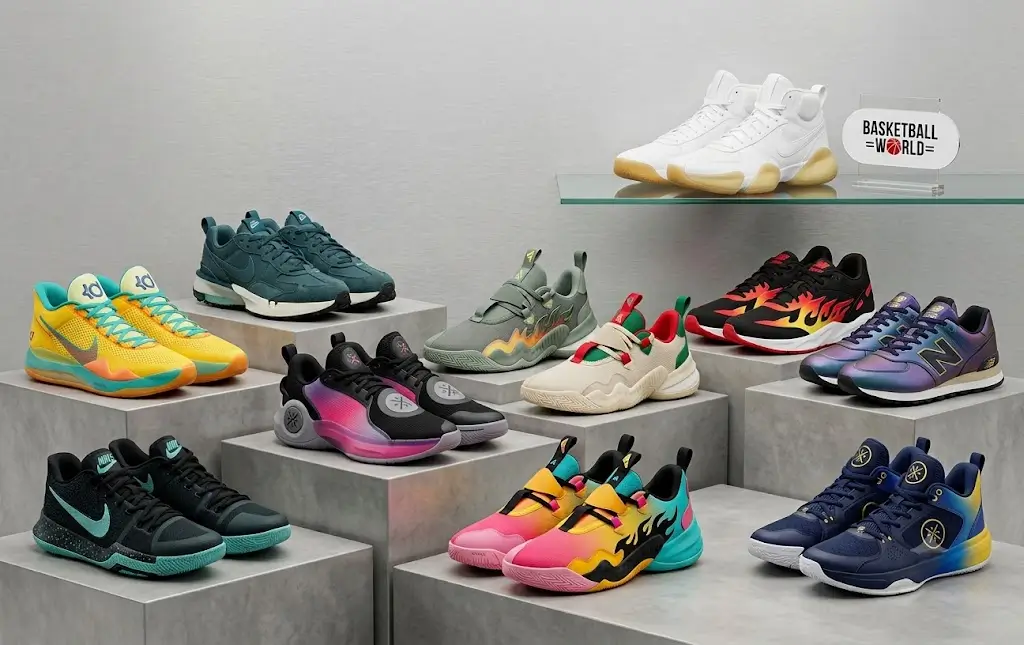
At Best Basket Ball World, we know that picking a basketball shoe in 2026 means wading through more signature lines, cushioning technologies, and marketing buzzwords than ever. Nike, Adidas, Under Armour, New Balance, Puma, and Anta are all releasing genuinely outstanding performance shoes, which is great for hoopers but makes choosing the right pair a lot harder than it sounds.
Below, we’ve broken down ten of the best performance basketball shoes on the market this year, then organized everything by position, court type, foot shape, and budget so you can skip straight to what matters for your game. If you already know exactly what you’re after, our dedicated best men’s basketball shoes and best women’s basketball shoes roundups go deeper on gender-specific fit and sizing.
Best Basketball Shoes (Top Picks)
1. Nike LeBron 22
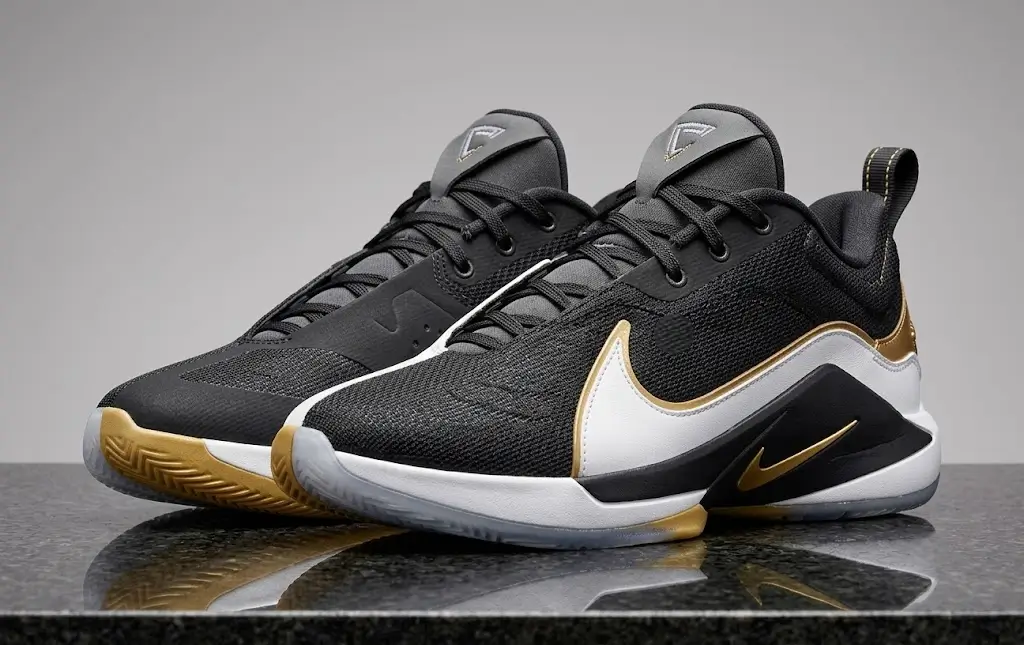
Overview The LeBron 22 marks a return to the bulkier, more structured design language of earlier LeBron signature shoes, moving away from the leaner, Kobe-inspired feel of the 20 and 21. It’s built for players who want maximum containment over a nimble ride.
Key features A new midfoot saddle construction wraps the foot for added lateral control, while a large-volume Zoom Air unit in the heel pairs with a Zoom Turbo unit up front for a mix of plush landings and forefoot pop. The Cushlon foam underfoot adds another layer of step-in comfort, and the outsole uses a multi-directional blade traction pattern.
Pros Excellent heel cushioning for hard landings, strong lateral lockdown from the saddle chassis, reliable traction on clean hardwood, and a durable, premium build.
Cons It’s noticeably heavier than the average performance shoe, breathability takes a hit from all that structure, and the translucent-rubber colorways can struggle on dusty or outdoor courts.
Best for Bigger, more physical players — power forwards and centers who prioritize stability and impact protection over a light, fast feel.
Price range Around $210–$230 retail.
2. Nike KD 18
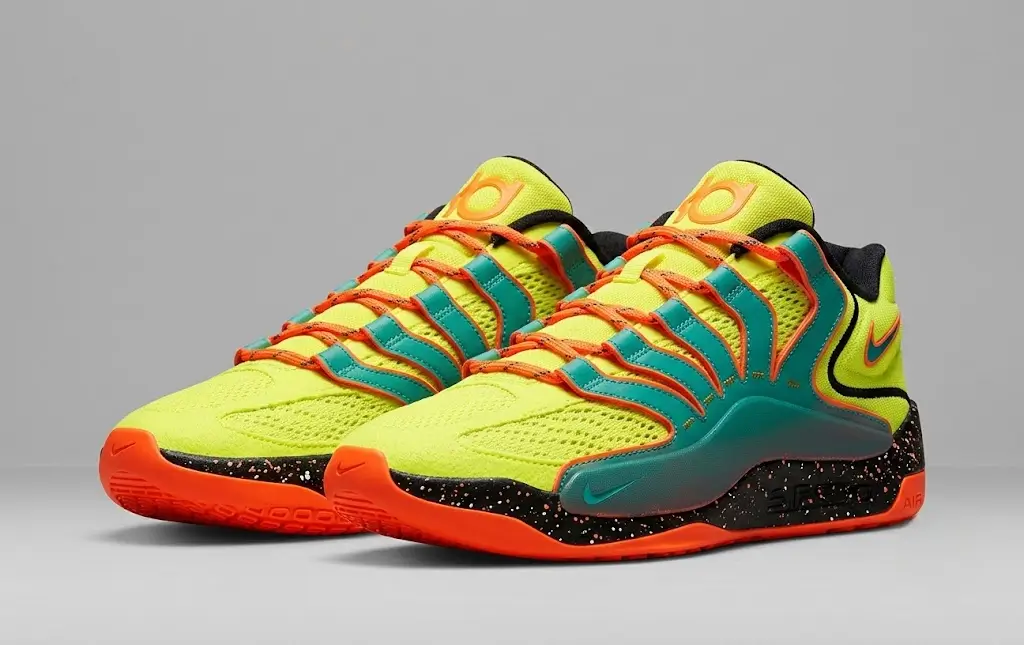
Overview Kevin Durant’s 18th signature shoe plays it safe, carrying over most of the KD 17’s tooling rather than reinventing it. That’s proven to be a smart move — the underlying formula was already one of the most well-rounded in basketball.
Features A full-length Cushlon foam base pairs with an Air Strobel unit under the heel and midfoot and a large bottom-loaded Zoom Air unit in the forefoot for a “snappy pop” on takeoffs. The outsole keeps the same wavy, heat-map-inspired herringbone tread from last year.
Pros & Cons On the plus side, the KD 18 delivers strong shock absorption, dependable traction that holds up reasonably well outdoors, and improved upper materials with a quicker break-in than its predecessor. On the downside, it picked up roughly an extra ounce of weight over the KD 17, and if you already own that model, the upgrade is more evolutionary than exciting.
Best for Versatile all-around players — this is one of the few shoes on this list that performs almost as well outdoors as it does indoors.
3. Nike Sabrina
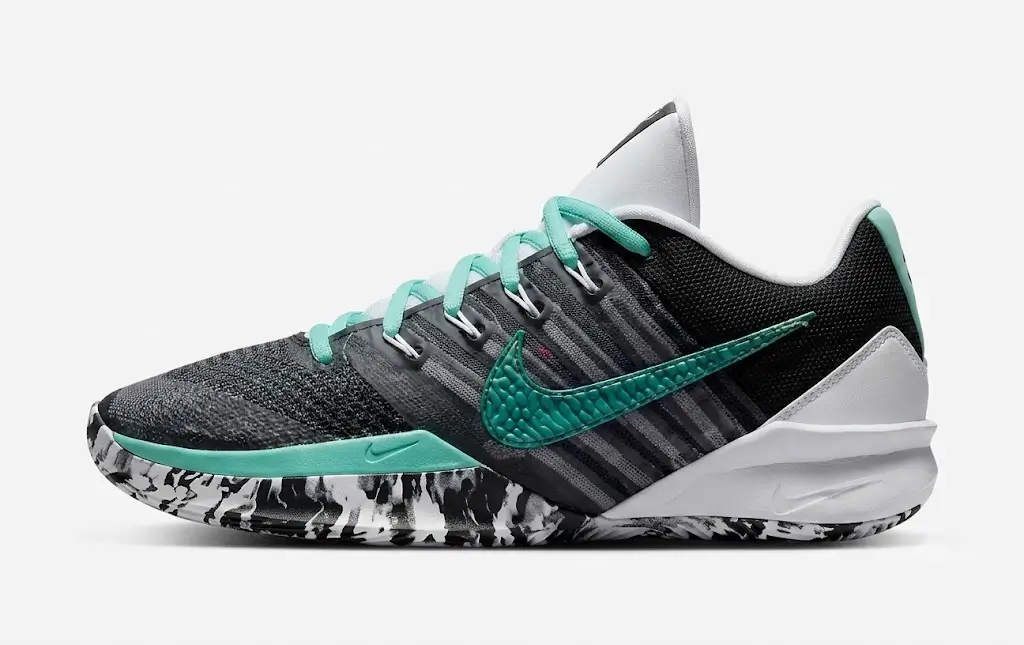
Features Sabrina Ionescu’s second signature shoe pairs a plush Cushlon 3.0 foam midsole with a firmer Cushlon carrier underneath, plus a forefoot Zoom Air unit for extra pop. A more breathable TPU mesh upper and a midfoot shank round out the build.
Cushioning The Sabrina 2 sits low to the ground with a shorter stack height than most signature shoes, which gives it excellent court feel, but its shock-absorption numbers land toward the lower end of the category. It doesn’t feel unsupported so much as it prioritizes a low, connected ride over a plush one.
Best for guards Quick, shifty guards and smaller forwards who want a Kobe-style low-profile feel. Bigger or heavier players will likely want more cushioning than this shoe offers.
4. Air Jordan 39
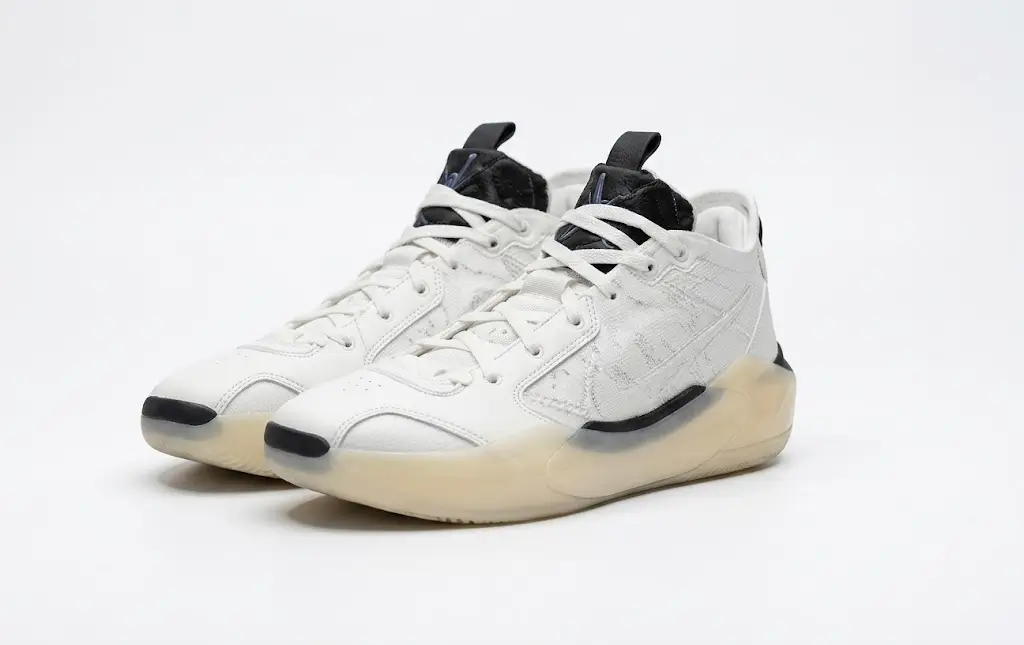
Features The Jordan 39 leans on full-length ZoomX foam paired with a Zoom Air unit, wrapped in premium leather and ballistic nylon mesh. The traction pattern uses layered herringbone for multidirectional grip.
Performance review The cushioning is some of the softest and most propulsive in this lineup, and the materials feel genuinely premium. The catch is on the support side — this model skips a torsional shank plate and firm outrigger, so lateral stability lags behind the rest of the field, and the translucent outsole picks up dust quickly on indoor courts.
Best for all-around players Players who prioritize a plush, bouncy ride and don’t need maximum structural support — think guards and wings rather than physical post players.
5. Adidas Harden Vol. 9
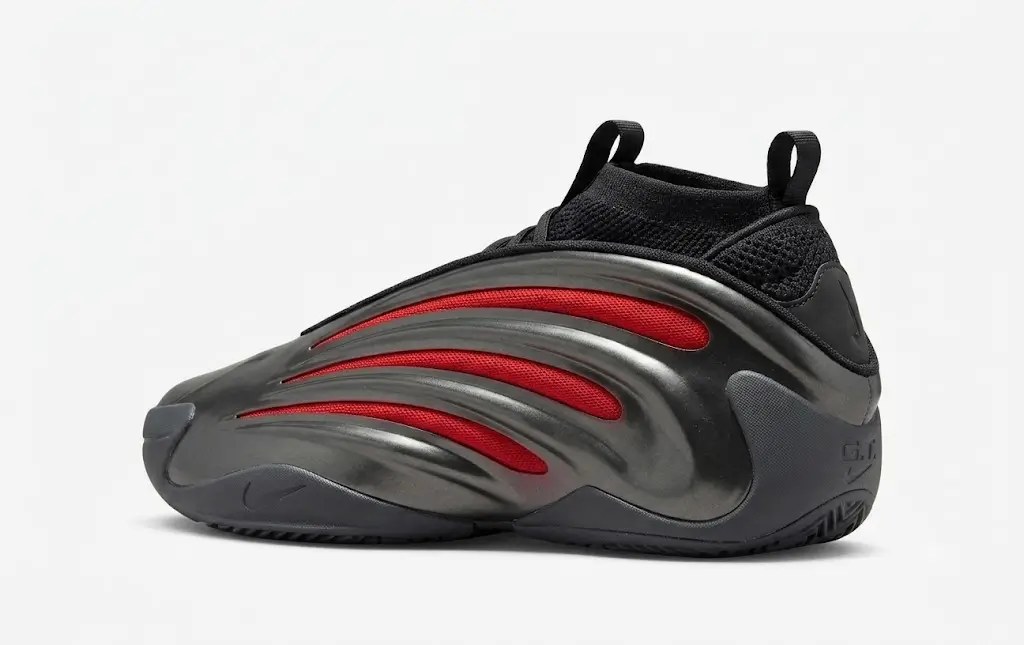
Traction The Harden Vol. 9 largely reuses the traction pattern from the Vol. 8, which is a good thing — it’s dependable on clean and lightly dusty indoor courts, though it’s not the stickiest option in this price range.
Comfort Boost cushioning in the heel delivers above-average impact protection without needing a thick stack, and a Lightstrike carrier keeps the ride from feeling too soft or unstable. Support is a genuine strength, with strong torsional and lateral containment that suits Harden’s step-back-heavy game.
Best for offensive players Guards and shifty scorers who rely on quick direction changes and want a locked-down, low-to-the-ground feel. It’s primarily an indoor shoe.
6. Adidas Dame 9
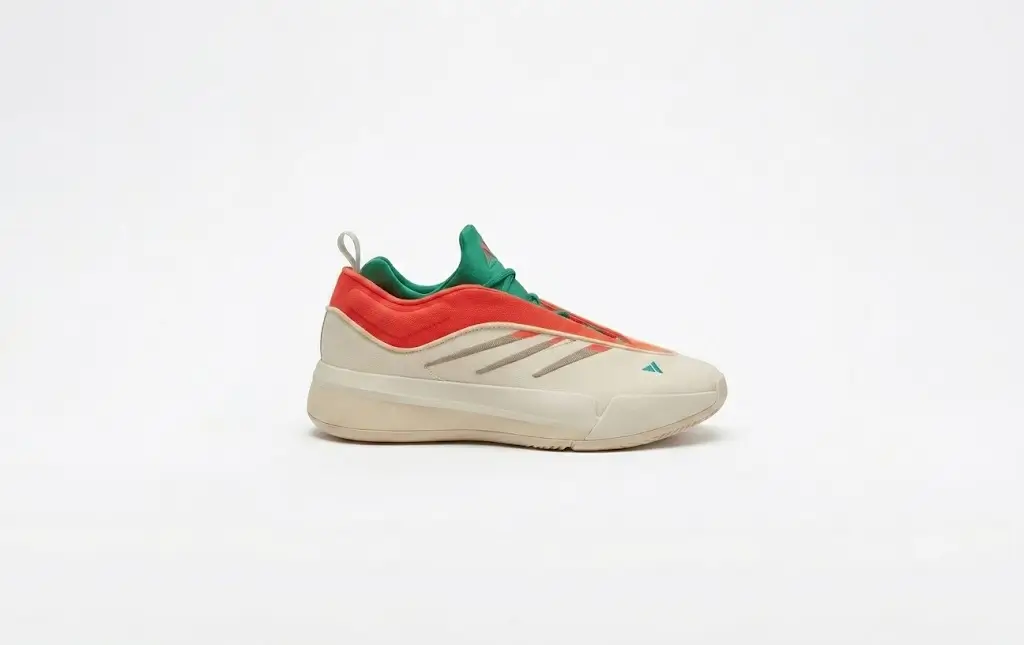
Performance Damian Lillard’s ninth signature shoe swaps in a full-length Lightstrike midsole and a thunderbolt-shaped traction pattern, and it’s widely regarded as one of Adidas’s most complete basketball shoes in years — strong cushioning, confident traction, and a stable ride overall.
Durability This is primarily built as an indoor performer. The translucent rubber outsole bites hardwood well but wears down faster on concrete, so if you split time between indoor and outdoor courts, treat outdoor sessions as occasional rather than the shoe’s main job.
Best for outdoor courts Best understood as an all-around indoor shoe that can handle the occasional outdoor run without falling apart — just don’t expect the outsole to survive daily blacktop use the way a dedicated outdoor shoe would.
7. Under Armour Curry 12
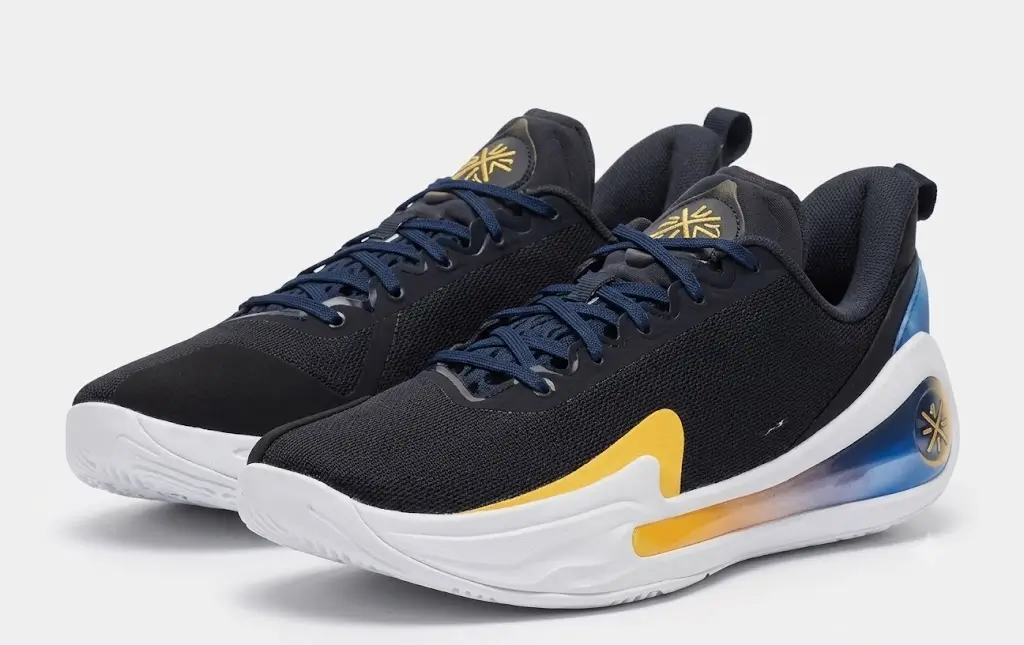
Grip Traction is the headline feature here. Under Armour’s Flow foam outsole (no separate rubber compound) delivers some of the stickiest grip in basketball right now on clean courts — reviewers consistently call it elite. It is dust-sensitive, though, and needs regular wiping.
Lightweight design The dual-density Flow midsole is light and responsive without sacrificing much impact protection, and the engineered mesh upper keeps overall weight down. This is one of the lighter shoes on this list.
Best for quick guards Built for exactly the kind of stop-start, crossover-heavy game Steph Curry plays. It’s an indoor-focused shoe — Flow foam wears quickly on rough outdoor surfaces.
8. New Balance TWO WXY V5
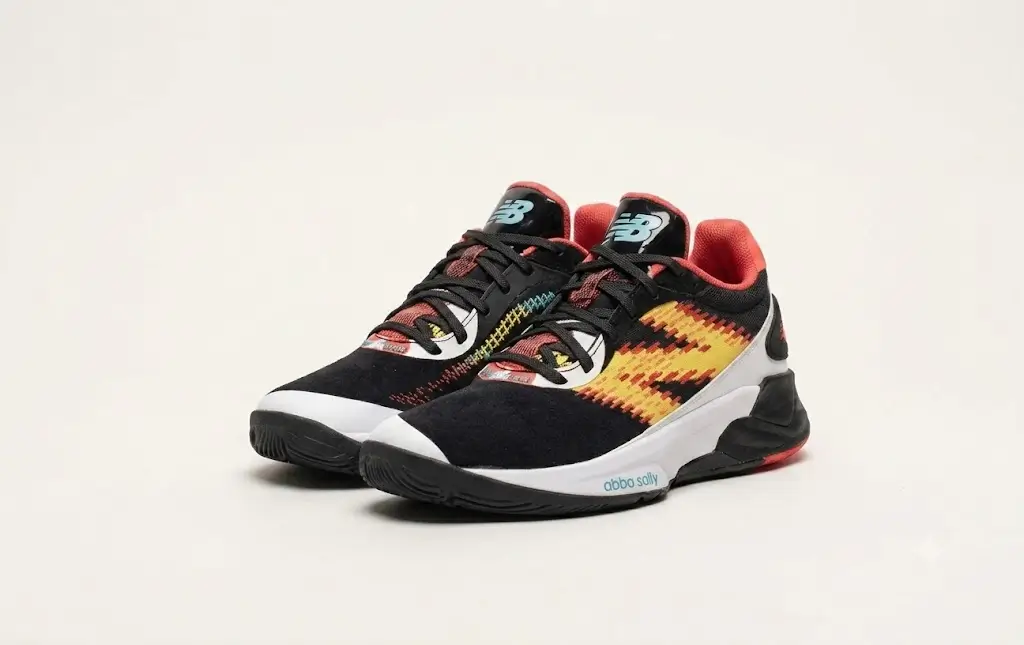
Stability This is one of the most structurally secure shoes in our lineup, with thick lateral walls, a stiff heel counter, and a TPU midfoot torsional plate that keeps the foot locked in through hard cuts.
Cushioning A dual-foam setup blends softer FuelCell in the forefoot with firmer Fresh Foam in the heel, giving you a responsive front and a protective, impact-absorbing back half.
Best for forwards Its all-around balance of support, cushioning, and traction makes it a strong fit for forwards who need to guard multiple positions, though it performs well enough across the board that guards and bigs can wear it comfortably too.
9. Puma All-Pro Nitro
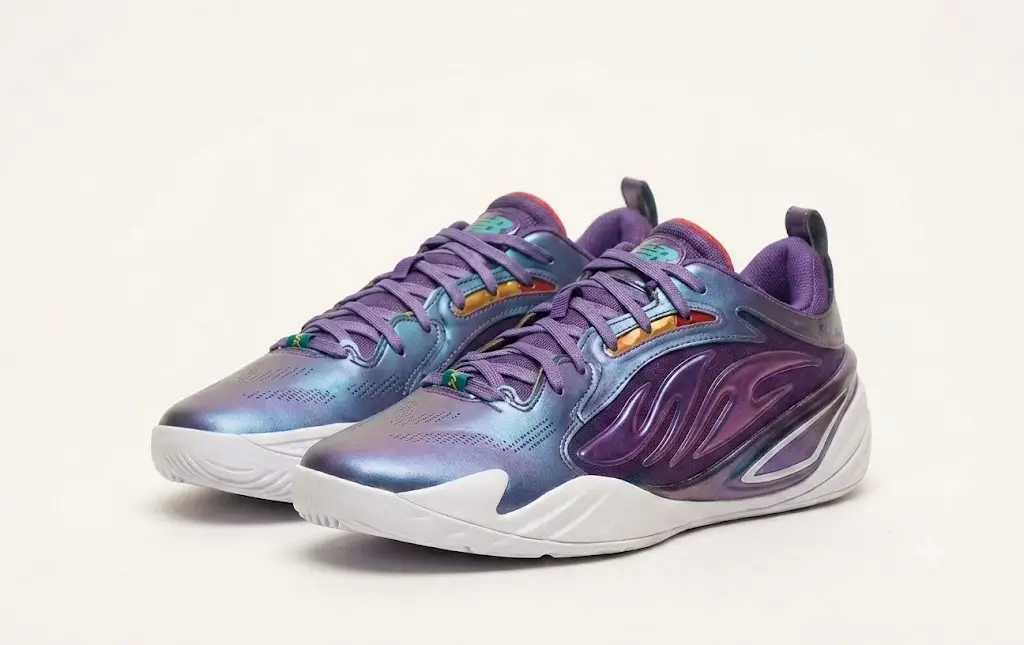
Nitro foam technology Puma’s dual-density Nitro SQD setup pairs a soft inner foam layer with a firmer outer shell, giving the shoe a plush step-in feel that stays contained and stable rather than mushy.
Performance review Traction is a genuine strength, with a diamond-pattern outsole that bites well on both clean and moderately dusty courts. Reviewers consistently point to this as one of the better value performance shoes on the market — strong across traction, cushioning, and support without the price tag of the bigger signature lines.
10. Anta Kai 2
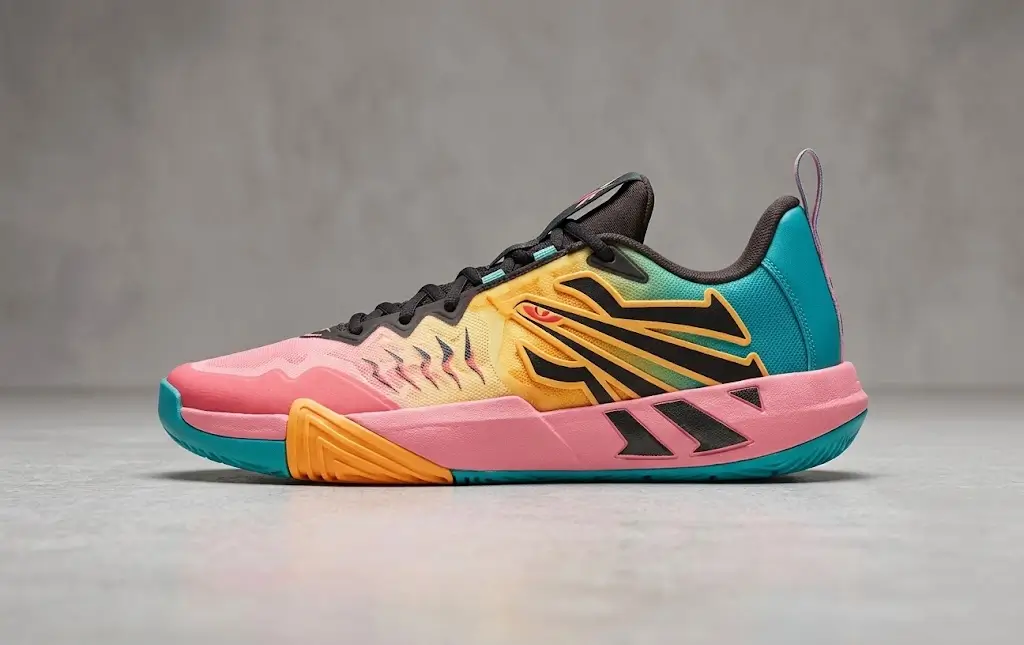
Comfort Kyrie Irving’s second Anta signature shoe offers a bouncy, reactive cushioning setup and premium materials that feel well above its price point, with a firm-but-comfortable ride that improves noticeably after a short break-in period.
Court feel Traction is a standout, delivering confident grip across a range of indoor conditions, and the lockdown from the heel counter and lacing system keeps the foot secure through hard cuts and crossovers.
Best value option At roughly $125–$140, the Kai 2 consistently gets called out as one of the best price-to-performance basketball shoes on the market — a strong pick for guards who don’t want to pay signature-shoe prices for signature-shoe performance.
Best Basketball Shoes by Playing Position
Best Shoes for Point Guards
Point guards live and die by first-step quickness, so weight and traction responsiveness matter more here than raw cushioning volume. Look for a low-to-the-ground ride, aggressive multidirectional traction, and a snug, glove-like fit that won’t shift during a crossover. If a fast, low-profile feel is your top priority, our lightweight basketball shoes guide is worth a look before you commit to any one signature model.
Best Shoes for Shooting Guards
Shooting guards benefit from a similar profile to point guards but can afford a touch more cushioning for catch-and-shoot footwork and closeouts. Court feel and quick lateral response matter more than heavy structure — you want to feel the floor without sacrificing stability on a hard cut.
Best Shoes for Small Forwards
Small forwards need the most balanced shoe on the roster: enough support to defend bigger wings, enough speed to keep up with guards in transition. A midweight cushioning setup with solid lateral containment, rather than anything at the extreme ends of “light and fast” or “heavy and plush,” tends to work best here.
Best Shoes for Power Forwards
Power forwards spend a lot of time absorbing contact and landing hard after boxing out, so cushioning volume and underfoot stability become the priority. A firmer, higher-stack midsole and a wider platform generally serve this position better than a low-profile guard shoe.
Best Shoes for Centers
Centers need the most impact protection and lateral support of any position, since they’re jumping, landing, and battling for position under the rim more than anyone else on the floor. For a deeper breakdown of models built specifically around that kind of punishment, check our dedicated basketball shoes for centers guide.
Best Basketball Shoes for Indoor Courts
Features to look for Indoor hardwood rewards softer, more tightly patterned rubber compounds that maximize grip without needing to survive abrasive concrete. Translucent rubber outsoles, which tend to offer the stickiest traction but wear quickly outdoors, are a great fit here.
Top recommendations The Under Armour Curry 12 and Adidas Harden Vol. 9 are both built with indoor-first traction in mind, delivering some of the grippiest performance in this list as long as the court stays reasonably clean.
Best Basketball Shoes for Outdoor Courts
Outdoor courts are a completely different test than hardwood — rougher surfaces chew through soft rubber compounds fast, and dust and debris are a constant, not an occasional annoyance.
Durable rubber outsole Look for solid (non-translucent) rubber, which is generally tougher and more abrasion-resistant than the softer translucent compounds used on many indoor-focused shoes.
Thick tread pattern A deeper, more aggressive traction pattern holds its bite longer as the outsole picks up scuffs and grit over repeated outdoor sessions.
Best outdoor picks The Nike KD 18 stands out on this list as one of the few shoes that handles outdoor abuse without a major drop-off in performance. For a full lineup built specifically around blacktop durability, our best outdoor basketball shoes guide covers more dedicated options.
Best Basketball Shoes for Wide Feet
Top recommendations Not every performance shoe accommodates a wider foot well — several signature models on this list, including the Curry 12 and Sabrina 2, run narrow through the forefoot. The New Balance TWO WXY V5 and Adidas Dame 9, by contrast, are consistently praised for accommodating wider feet without needing to size up.
Fit tips If you have a wider foot, avoid relying on sizing up alone to fix a narrow shoe — going up half a size often adds unwanted length before it adds meaningful width. It’s worth trying a shoe on in person when possible, or checking our dedicated basketball shoes for wide feet guide for models built on a genuinely roomier last.
Best Basketball Shoes for Flat Feet
Arch support Flat feet tend to need more structured medial support to prevent the foot from rolling inward (overpronating) during hard cuts and landings. A firmer midsole with a supportive heel counter does more for this than a plush, ultra-soft foam that lets the foot sink and shift.
Stability recommendations Shoes with a wider base and a rigid torsional shank plate — like the New Balance TWO WXY V5 — tend to serve flatter feet better than low-profile, minimally structured models. If you deal with persistent arch pain, an aftermarket insole with dedicated arch support is also worth pairing with whatever shoe you choose.
Best Basketball Shoes for Ankle Support
High-top vs mid-top It’s a common assumption that a higher collar automatically protects your ankles better, but on-court testing and pro usage don’t really back that up — plenty of elite players hoop in low-tops without issue, since your own ankle strength does most of the actual stabilizing work. That said, a higher collar can offer real psychological confidence, especially if you’ve dealt with a previous sprain.
Best models The Nike LeBron 22 and Puma All-Pro Nitro both stand out for structural lockdown, thanks to sturdy heel counters, torsional shanks, and secure midfoot containment. For a full list built specifically around ankle security, see our best basketball shoes with ankle support guide.
Best Budget Basketball Shoes (Under $100)
Affordable options You don’t need to spend $200+ to play well. The Anta Kai 2 and Puma All-Pro Nitro both deliver performance-shoe traction, cushioning, and support well below flagship signature pricing, and older-generation models from bigger brands often drop into this range once a new version releases.
Performance comparison Budget shoes in 2026 generally sacrifice premium materials and the newest cushioning tech before they sacrifice core traction and support — meaning a well-chosen $80–$100 shoe can still hold up fine for weekend runs and rec-league play. If your budget is even tighter, our basketball shoes under $50 roundup rounds up the best of what’s available at that price point.
Premium Basketball Shoes Worth the Price
High-end models Shoes like the Nike LeBron 22 and Air Jordan 39 sit well above $200, and the extra cost mostly buys you premium materials, more advanced cushioning systems (like large-volume Zoom Air units), and design details that lighter, cheaper shoes simply don’t include.
Who should buy them Serious, frequent players who put real mileage on their shoes each week will feel the difference in comfort and durability over a season. Casual or occasional players are less likely to notice enough of a performance gap to justify the premium — a well-reviewed $100–$150 shoe from our basketball shoes under $150 or basketball shoes under $200 guides will cover most players’ needs just fine.
Basketball Shoe Buying Guide
Cushioning
Cushioning technology varies more by brand than by price point, and each has its own feel:
- Zoom Air (Nike) — a pressurized air unit that delivers a quick, responsive “pop,” commonly paired with foam for a mix of bounce and protection.
- Boost (Adidas) — a granular foam known for strong energy return and a springy underfoot feel.
- Nitro Foam (Puma) — a dual-density setup that balances plush comfort with enough firmness to stay stable.
- Fresh Foam (New Balance) — typically firmer and more protective, prioritizing impact absorption over bounce.
- Flow (Under Armour) — technically doubles as both cushioning and outsole, trading some plushness for exceptional grip and a low-profile ride.
Traction
- Herringbone pattern — the most common and reliable traction layout, offering solid multidirectional grip for indoor play.
- Outdoor traction — look specifically for solid rubber compounds and deeper tread patterns; translucent rubber traction, while often grippier indoors, wears down much faster on rough surfaces.
Fit
- True to size — most performance basketball shoes run true to size, but narrower Kobe-style guard shoes (like the Sabrina 2) sometimes fit tighter through the midfoot.
- Wide feet considerations — check reviews specifically for width feedback before buying, since sizing up doesn’t always solve a genuinely narrow last.
Materials
- Mesh — lightweight and breathable, common on speed-focused guard shoes, but generally less durable long-term.
- Knit — form-fitting and sock-like, offering a snug, glove-like feel with good breathability.
- Leather — heavier and less breathable but generally more durable and premium-feeling.
- Synthetic — the most common upper material today; quality varies widely by brand and price point, but modern synthetics have closed much of the gap with leather.
Weight
Weight differences between most basketball shoes are relatively small and rarely change your actual speed or explosiveness on court. Heavier shoes usually just mean more built-in cushioning or structure; lighter shoes trade some of that away for a quicker feel. It’s largely a preference, not a performance advantage either way.
Durability
Outsole rubber compound, upper material quality, and how often you play outdoors are the three biggest factors in how long a shoe lasts. A shoe rated highly for indoor performance can still wear out fast if used regularly on concrete.
Basketball Shoe Brands Compared
Nike — the deepest basketball lineup on the market, spanning everything from ultra-cushioned signature shoes to lightweight guard models; strong across nearly every category, though pricing skews higher on flagship releases.
Adidas — has had a genuinely strong run in recent years, particularly with Boost- and Lightstrike-cushioned models that balance comfort and support well; traction can be dust-sensitive across several models.
Jordan Brand — leans into premium materials and bold cushioning setups, though support features (like torsional shanks) are sometimes an afterthought compared to Nike’s mainline basketball shoes.
Under Armour — built almost entirely around the Curry line and its Flow cushioning/outsole system, which delivers some of the best indoor traction in basketball but trades away outdoor durability.
Puma — a smaller but increasingly credible lineup, especially strong in the value-to-performance category with the All-Pro Nitro series.
New Balance — a compact but consistently well-reviewed lineup, with the TWO WXY line standing out as one of the more balanced, do-everything options on the market.
Anta — still building brand recognition in Western markets, but delivering some of the strongest price-to-performance shoes available through the Kyrie Irving-led Kai line.
How to Choose the Right Basketball Shoes
- Playing style — quicker, shiftier players generally want lighter, lower-profile shoes; more physical, powerful players benefit from added cushioning and structure.
- Court surface — indoor and outdoor courts genuinely call for different outsole compounds; don’t assume one shoe handles both well.
- Position — guards, wings, and bigs each put different demands on cushioning, traction, and support, as covered in the position breakdown above.
- Budget — there are legitimately good shoes at every price tier in 2026; a bigger budget buys better materials and tech, not necessarily better core performance.
- Foot type — width, arch height, and past injury history should all factor into your decision, especially for anyone with wide or flat feet.
Basketball Shoe Care Tips
Cleaning Wipe the outsole regularly during play to remove dust buildup, which is the single biggest cause of traction loss on indoor courts. For the upper, a soft brush and mild soap solution handle most dirt and scuffs without damaging synthetic or mesh materials. If your traction has started to feel slick even after wiping, our guide on how to make basketball shoes more grippy covers a few quick fixes worth trying before you write the shoe off.
Storage Store shoes at room temperature, away from direct sunlight or excessive heat, which can break down foam cushioning and adhesives over time. Loosening the laces and keeping the shoe’s shape with a shoe tree or stuffed paper helps preserve fit between wears.
Replacing worn shoes Once the outsole tread visibly smooths out or the midsole foam feels noticeably compressed and dead underfoot, it’s time for a new pair — playing on worn-out cushioning increases joint stress and injury risk over time.
Drying after games Remove the insoles and loosen the laces after sweaty sessions to let the shoe air out fully; stuffing them with newspaper speeds up drying and helps prevent lingering odor.
Common Mistakes to Avoid
Buying based on appearance only A great-looking colorway says nothing about traction, cushioning, or support — always check performance reviews before buying a shoe purely because you like how it looks.
Choosing the wrong size Basketball shoes generally need a snugger fit than casual sneakers to prevent sliding during hard cuts, but going too small causes its own problems. When in doubt, try the shoe on in person or check width- and length-specific reviews from other buyers.
Ignoring court type Wearing an indoor-focused shoe outdoors regularly (or vice versa) is one of the fastest ways to destroy a good pair of shoes — match the outsole to where you actually play most.
Not replacing worn-out shoes Continuing to play in shoes with flattened cushioning or bald traction doesn’t just hurt performance — it raises your risk of slips, falls, and joint strain. Treat basketball shoes as a wearable, not a permanent purchase.
Frequently Asked Questions
Which sole material is best for basketball?
Basketball outsoles generally use either translucent or solid rubber. Solid rubber tends to be the safer, more consistent choice for traction and generally holds up better over time, though there are some strong translucent options on the market too. For outdoor play specifically, look for a harder rubber compound with a deep, aggressive tread pattern — it’ll survive rough asphalt much longer than a softer indoor-focused compound.
Does shoe weight actually matter?
Less than you’d think. The weight difference between most basketball shoes is small enough that it doesn’t meaningfully change how fast or explosive you are on court. A slightly heavier shoe usually means more cushioning or support, while a lighter shoe trims some of that in favor of a quicker feel. It really comes down to preference rather than performance.
What's the difference between high-tops, mid-tops, and low-tops?
Mostly aesthetics. It’s a common myth that higher cuts automatically protect your ankles better — in reality, your own ankle strength does most of the stabilizing work regardless of collar height, and plenty of pros have played their whole careers in low-tops. That said, there’s a real psychological comfort factor: players who’ve dealt with ankle injuries often feel more confident in a mid or high-top, and that confidence matters on court. If you want your outsole gripping even better once it’s broken in, our guide on how to make basketball shoes more grippy has some quick fixes worth trying regardless of cut.
What are the best basketball shoe brands right now?
There’s no single best brand — it depends on your foot shape, playing style, and budget. Nike, Jordan Brand, and Adidas remain the biggest players with the deepest lineups, Puma has become a consistent performer since re-entering the basketball category, and Under Armour, New Balance, Anta, and Li-Ning/Way of Wade all have standout models worth considering depending on what you’re looking for.
How do I find a shoe that matches my playing style?
Smaller, shiftier players usually want strong traction, responsive cushioning, and a locked-down fit that supports quick direction changes. Bigger, more powerful players generally benefit more from plush, high-cushion setups built to absorb heavier impacts. Most signature lines are designed with a specific archetype in mind, so matching your build and style to the shoe’s intended player is a solid starting point.
How much should a basketball shoe cost?
You can find playable basketball shoes anywhere from under $50 to around $300 retail, and there are genuinely good options at nearly every price point. Somewhere in the $90–$110 range tends to offer the best balance of performance and value — enough to get solid materials and tech without paying mostly for hype or marketing.
How much room should be left at the end of a basketball shoe?
Performance-wise, you want a close, glove-like fit. As a rule of thumb, leave about a thumb’s width of space between your longest toe and the front of the shoe — any more than that and your foot has too much room to slide around during hard stops and cuts.
How do I break in new basketball shoes?
Most modern performance shoes use synthetic uppers that need very little break-in time, but it still helps to ease into them. Wear them casually around the house for a couple of days first to let the upper start forming to your foot, then take them through a practice or shootaround before trusting them in a real game. That gradual approach helps you catch any fit issues before they matter.